





The Quiet Power of Small-Town Settings in Literary Fiction
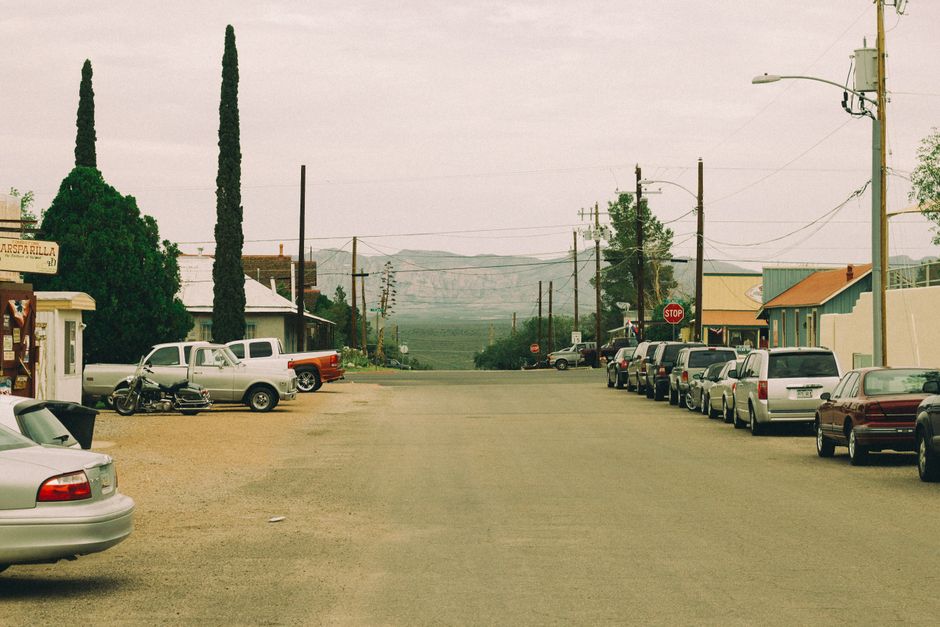
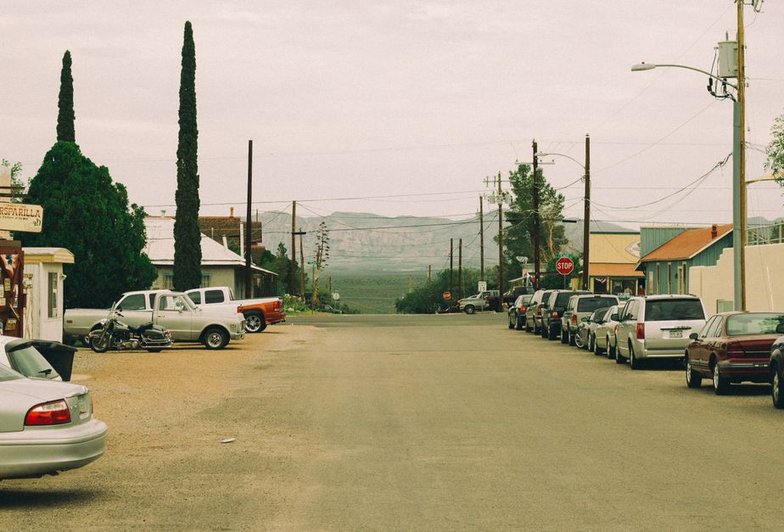
Give a novelist a small town and watch what happens. The grocery store becomes a stage. The high school parking lot becomes a courtroom. A casserole left on a porch becomes an act of war. There's a reason so much serious fiction returns again and again to places with one main street and a population small enough that everyone knows whose car is parked outside whose house at midnight.
The small town works as a literary device because it applies pressure. In a city, you can disappear. You can reinvent yourself in a new neighborhood, change jobs, and never see the person you wronged again. In a small town, you cannot. Every choice accumulates. Every secret has a shelf life, and when it expires, the whole community smells it.
Constraint as a Storytelling Engine
Writers love constraints, and geography is one of the most useful. When your characters can't simply move away, the conflicts have nowhere to go but inward. A marriage that should have ended years ago keeps grinding along because neither spouse can bear the pitying looks at the diner. A family feud that began over a fence line outlives the people who built it. The town remembers what the individuals would rather forget.
This is why small-town literary fiction so often feels heavier than its page count suggests. Nothing explodes, but everything matters. A casserole dish returned empty or not returned at all tells you more about a relationship than three pages of dialogue could.
What to Look For as a Reader
When you pick up a novel set in a town of a few hundred or a few thousand, pay attention to how the author handles the chorus. Great small-town fiction gives you a handful of fully realized lives and lets the rest of the town hum in the background like weather. If every resident gets a name and a backstory, you're probably reading something that should have been a series. If nobody does, the town feels like a set instead of a place.
Look, too, for the moment the outside world intrudes. A developer, a drought, a returning son, a new teacher — something always arrives to disturb the equilibrium, and how the town absorbs or rejects it is usually the real subject of the book.
These novels ask a question that city books can dodge: what do you owe the people who watched you grow up? It's an uncomfortable question, which is exactly why it makes for such good reading.







Forget sprawling cities — some of the most devastating novels ever written take place within a ten-minute walk of a single stoplight.
Twelve books in a beloved series can feel like a gift or a chore — here's how to pace yourself so the magic lasts.
Bakers, librarians, and retired schoolteachers keep solving murders — and honestly, we wouldn't have it any other way.
For readers who want the depth of literary fiction and the pull of a whodunit, these crossover novels deliver both.
There is a particular joy in settling into a new mystery with a detective you already know, like meeting an old friend for coffee.